Introduction
Table of Contents
-
Introduction
-
The Evolution of Catering: How Trends and Technology Are Shaping the Future
-
Historical Perspectives on Office Catering
-
Current Trends in Office Catering
-
Technological Advancements in Office Catering
-
The Impact of Events and Gatherings on Catering
-
The Future of Office Catering
-
Conclusion
-
FAQs
Office catering,office lunch idea,and more …
The Evolution of Catering: How Trends and Technology are Shaping the Future of Food Services.
The catering industry has undergone significant transformations over the years, driven by changing consumer preferences, technological advancements, and emerging trends. This article delves into the evolution of catering, examining its historical roots, current trends, technological innovations, and the future outlook. Understanding these elements is crucial for both catering professionals and consumers who seek to engage with this dynamic field
Historical Perspectives on Office Catering
Ancient Office Catering Practices
Office Catering, in its rudimentary form, dates back to ancient civilizations where food was prepared and served for communal gatherings and celebrations. The Romans, for instance, had elaborate feasts that showcased a variety of dishes prepared by skilled cooks. These gatherings were often organized by wealthy individuals who employed servants and chefs to cater to their guests, thus laying the groundwork for modern catering practices.
Similarly, ancient Chinese, Egyptian, and Greek cultures also practiced forms of catering, emphasizing the communal aspect of food. These early instances highlighted the importance of social interaction during meals, which remains a central tenet of catering today.
Development Through the Ages
As societies progressed, so did the catering industry. The Middle Ages saw the rise of banquet-style meals, particularly among nobility, where lavish displays and intricate dishes were commonplace. This era also introduced the concept of professional chefs and caterers, who began to emerge as distinct roles within the culinary landscape.
The Industrial Revolution marked a significant turning point, with advancements in food preservation and transportation allowing for greater variety in catering options. This period also saw the introduction of catering to the middle class, making it more accessible and popular. The establishment of catering businesses in the 19th century laid the foundation for the contemporary catering industry.
Modern Office Catering Emergence
The 20th century brought about further changes, particularly with the advent of globalization. Mixes of cultures and cuisines led to the diversification of catering services, where traditional dishes were reimagined and presented in innovative ways. The rise of corporate events and the demand for professional catering services grew, prompting the establishment of catering companies dedicated solely to providing food services for various occasions.
Today, catering encompasses a wide range of services, from individual buffets for private parties to large-scale events and corporate functions, reflecting the dynamic nature of consumer needs and preferences.
Current Trends in Office Catering
Health and Wellness Focus
In recent years, health and wellness have taken center stage in the catering industry. Consumers are increasingly conscious of their dietary choices, seeking nutritious options that cater to various dietary restrictions, including vegetarian, vegan, gluten-free, and paleo diets. Catering companies are responding by offering menus that highlight fresh, organic ingredients and balanced meals.
This trend not only caters to health-conscious clients but also emphasizes transparency about ingredient sourcing and nutritional information. Consequently, catering services are prioritizing collaboration with local farmers and suppliers, ensuring quality and sustainability in their offerings.
Sustainable and Eco-Friendly Practices
As environmental awareness grows, catering services are adopting sustainable practices to minimize their ecological footprint. This includes sourcing locally, reducing waste, and utilizing eco-friendly materials for packaging and serving. Many caterers are also implementing strategies to manage food waste, such as composting and donating excess food to local charities.
Additionally, consumers are increasingly favoring businesses that prioritize sustainability, making it a competitive advantage in the catering industry. This shift not only aligns with consumer values but also contributes to the overall health of the planet.
Customization and Personalization
Today’s consumers crave unique experiences, leading catering companies to focus on customization and personalization of their offerings. Clients often seek tailored menus that reflect their tastes and preferences, allowing caterers to showcase their creativity and culinary skills.
From themed events to bespoke dishes, caterers are increasingly incorporating client feedback into their planning processes. This level of personalization enhances client satisfaction and fosters loyalty, as customers feel more connected to the catering experience.
Global Flavors and Fusion Cuisine
As globalization continues to shape the culinary landscape, catering services are embracing international flavors and fusion cuisine. This trend allows for a diverse array of dishes, appealing to a broad spectrum of palates.Office Caterers are experimenting with various culinary traditions, blending techniques and ingredients from different cultures to create innovative menus.
This incorporation of global flavors not only enriches the catering experience but also reflects the multicultural society in which we live. It enables catering companies to constantly evolve, adapting their offerings to cater to the diverse preferences of their clientele.
Technological Advancements in Office Catering
Online Ordering and Delivery Systems
The rise of digital technology has revolutionized the catering industry, particularly in terms of online ordering and delivery systems. Customers can now easily place orders for events through user-friendly websites and applications, streamlining the selection process. This convenience has made Office catering services more accessible and efficient.
Moreover, delivery systems have evolved to ensure timely and safe transportation of food, accommodating the growing demand for convenient Office catering solutions. This shift has also sparked competition among catering companies to enhance their online presence and improve customer service.
Office Catering Management Software
Office Catering management software has emerged as a vital tool for Office catering businesses, simplifying operations and improving efficiency. These software solutions assist with various tasks, including inventory management, scheduling, invoicing, and customer relationship management. By automating routine processes, caterers can focus more on creativity and customer satisfaction.
Moreover, data analytics features within these software platforms enable caterers to glean insights from past events, helping them make informed decisions and enhance their service offerings. Such technological integration is essential for maintaining a competitive edge in the fast-paced catering industry.
Social Media and Marketing Strategies
Social media has become a powerful marketing tool for catering businesses. Platforms like Instagram, Facebook, and Pinterest allow caterers to showcase their culinary creations, engage with potential clients, and build brand awareness. High-quality visuals of food presentations and event setups can attract attention and generate interest among consumers.
Caterers are also utilizing social media for customer feedback and interaction, fostering a sense of community and connection. These platforms enable caterers to share testimonials, promotions, and behind-the-scenes content, enhancing their overall marketing strategy and customer engagement.
Food Safety and Quality Control Technologies
Food safety is paramount in the catering industry, and advancements in technology have greatly improved quality control measures. Technologies such as temperature monitoring systems and tracking devices help ensure that food is stored and prepared under optimal conditions, thereby minimizing the risk of contamination.
Office Caterers are now more equipped to comply with health regulations, employing tools that streamline food safety practices. Training staff in these technologies is also essential, as a well-informed team can uphold the highest standards of hygiene and safety, thereby building consumer trust.
The Impact of Events and Gatherings on Catering
Weddings and Special Occasions
Weddings and special occasions are among the most significant sectors within the Office catering industry. Couples often invest considerable time and resources into selecting the perfect menu for their big day, making it a crucial component of the overall experience. Caterers must understand the importance of personalization and attention to detail to meet diverse client expectations.
From cocktail receptions to multi-course dinners, catering for weddings requires adaptability and creativity. The ability to offer various menu options and accommodate dietary restrictions can significantly influence a couple’s choice of a catering provider, highlighting the need for caterers to stay current with trends and preferences.
Corporate Events and Meetings
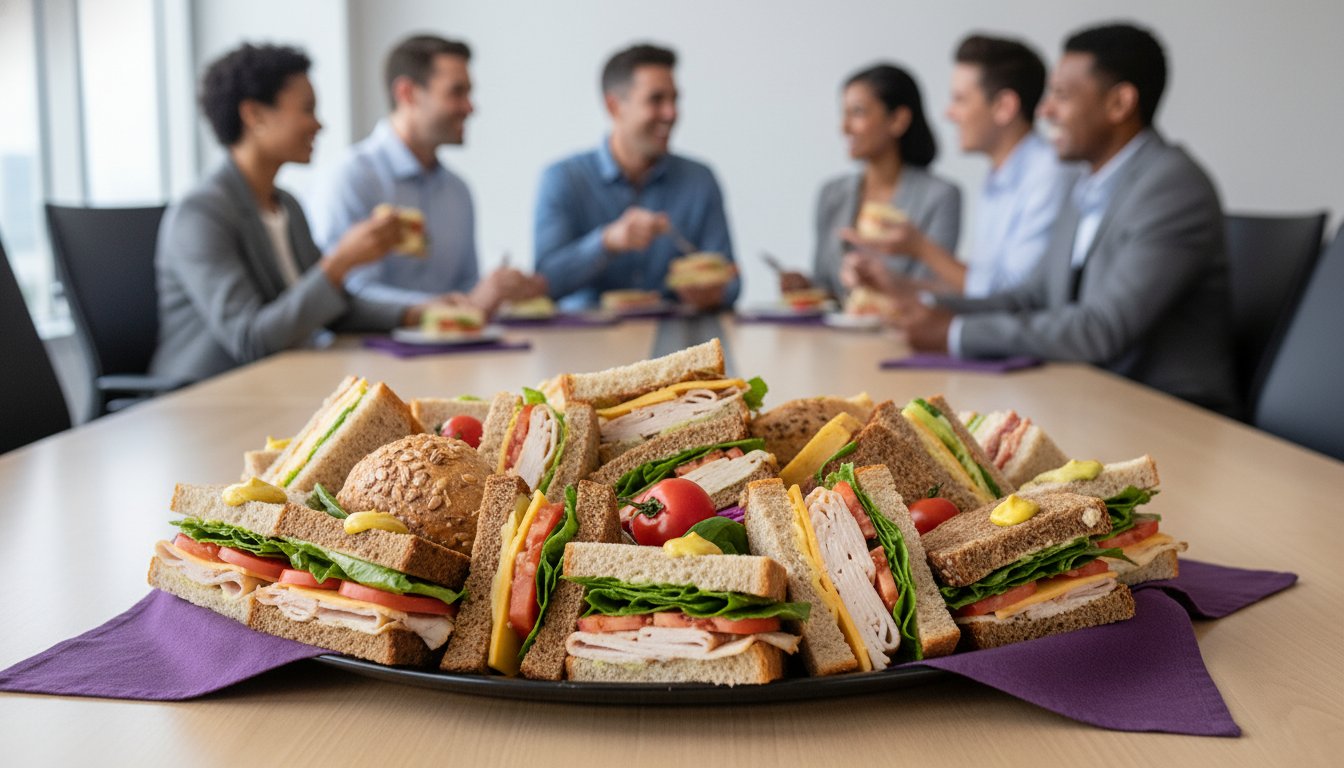
Corporate events, including meetings, conferences, and team-building activities, represent another lucrative segment of the catering industry. Businesses often seek catering services that can provide professional, efficient, and high-quality food options to enhance the overall experience for their employees and clients.
In this context, caterers must understand corporate culture and branding to tailor their offerings accordingly. Moreover, flexibility in menu design, punctuality in service, and adherence to dietary requirements are vital considerations for success in this competitive niche.
Virtual and Hybrid Events
The COVID-19 pandemic has shifted the landscape of events, leading to an increase in virtual and hybrid gatherings. Office Caterers have had to adapt their services to accommodate these changes, often providing meal kits or pre-packaged meals for attendees participating remotely.
This trend necessitates creativity in menu design, allowing caterers to craft experiences that translate well to virtual settings. Ensuring quality and presentation for food delivered to individual participants is critical, as it impacts the overall perception of the event and the catering service.
The Future of Catering
Emerging Technologies and Innovations
As technology continues to evolve, the office catering industry is likely to witness further innovations. Artificial intelligence and machine learning could play a significant role in predicting consumer trends, tailoring marketing efforts, and optimizing inventory management.
Additionally, advancements in food technology, such as lab-grown meats and plant-based alternatives, may reshape menu offerings, catering to the growing demand for sustainable and ethical dining options. The future of office catering will likely blend culinary artistry with technological integration, creating a dynamic food service landscape.
Trends to Watch in the Coming Years
Several trends are anticipated to shape the future of catering, including a continued emphasis on health and wellness, sustainability, and personalization. Moreover, the integration of technology in service delivery and planning processes will remain a priority, driving efficiency and enhancing customer experience.
As consumer expectations evolve, caterers must remain adaptive, continuously refining their offerings to stay relevant in a competitive marketplace. Collaborations with local producers and an emphasis on seasonal ingredients are also likely to become more pronounced in catering practices.
Potential Challenges Ahead
While the future of catering looks promising, challenges remain. The ongoing effects of the pandemic may lead to fluctuating demand patterns, requiring caterers to develop contingency plans to remain resilient. Additionally, rising ingredient costs and supply chain disruptions could impact menu pricing and availability.
Caterers must also navigate the increasing scrutiny surrounding food safety and hygiene practices, necessitating a commitment to continual training and process improvements. By addressing these challenges proactively, Office catering companies can position themselves for long-term success in an evolving landscape.
Conclusion
Recap of Key Points
The catering industry has transformed remarkably, evolving from ancient communal practices to a sophisticated service catering to diverse consumer needs. Current trends emphasize health and wellness, sustainability, and personalization, while technological innovations are reshaping operational practices and customer engagement.
Final Thoughts on the Evolution of Office Catering
As we look to the future, it is clear that adaptability and innovation will be crucial for catering businesses to thrive. By embracing new technologies and responding to consumer trends, Office catering professionals can continue to create memorable experiences that meet the evolving demands of their clientele.
FAQs
What are the key trends in the catering industry today?
Current trends in the office catering industry focus on health and wellness, sustainability, customization, and the incorporation of global flavors. Caterers are increasingly offering menus that accommodate dietary needs while prioritizing eco-friendly practices.
How has technology impacted the catering industry?
Technology has transformed the catering industry through online ordering systems, catering management software, and enhanced marketing strategies via social media. These advancements improve efficiency, customer engagement, and overall service delivery.
What role do events play in catering services?
Events, such as weddings and corporate gatherings, are pivotal for catering services as they create significant demand for professional food service. Caterers must tailor their offerings to suit the unique needs and themes of these occasions.
What challenges does the catering industry face?
The Office catering industry faces challenges such as fluctuating demand patterns, rising ingredient costs, and the need for rigorous food safety practices. These factors necessitate adaptability and proactive planning to ensure sustainability and success.
We recommend Oncater for your office catering needs; everything will be easy and affordable.
https://www.oncater.com/platform/landing-dinners/
https://www.bettercater.com/the-future-of-catering-for-growth/