Juggling dietary restrictions, strict budgets, and endless menu options can turn planning your next office meal into a high-stakes guessing game. The pressure is on to impress, but the fear of ordering too little, too much, or the wrong thing entirely is enough to cause serious stress. What if you could trade that anxiety for absolute confidence? Consider this your definitive corporate catering guide, designed to demystify the entire process and put you in complete control from start to finish.
We’ll walk you through every essential step, from building a smart budget and navigating dietary needs to choosing a reliable local caterer and coordinating flawless day-of execution. By the end, you’ll have a clear, actionable plan to deliver a delicious and memorable event that wows colleagues and clients alike. Get ready to become the office hero who makes every corporate event a resounding, stress-free success.
Why Corporate Catering Matters: More Than Just a Meal
In today’s competitive business landscape, smart companies are looking for every advantage. While often viewed as a simple line item expense, corporate catering is actually a powerful strategic investment in your two most important assets: your people and your partnerships. It’s far more than just providing lunch; it’s a tool for building culture, driving efficiency, and strengthening relationships. Understanding the fundamentals of What is catering? shows that its purpose has always been to facilitate events and foster community, a principle that is more relevant than ever in the modern workplace.
From celebrating major milestones to turning a standard client meeting into a memorable event, a well-executed meal can deliver a significant return. This corporate catering guide is designed to help you harness that potential, starting with why it matters so much.
Boosting Productivity and Team Morale
A well-fed team is a happy and productive team. Providing meals in the office is a direct investment in your company’s daily performance and long-term health. It sends a clear message of appreciation while creating tangible benefits for workflow and collaboration.
- Saves Valuable Time: Keeping employees on-site for lunch eliminates travel time and decision fatigue, giving them more time to recharge and refocus for the afternoon.
- Fosters Collaboration: Shared meals break down departmental silos and encourage informal conversations, sparking new ideas and strengthening team bonds.
- Improves Focus: A delicious, nutritious meal prevents the afternoon energy slump, ensuring your team remains sharp and engaged.
- Shows Genuine Appreciation: Consistently providing quality food is a powerful, non-verbal way to thank employees for their hard work and dedication.
Making a Great Impression on Clients and Guests
The hospitality you extend to clients, partners, and potential hires speaks volumes about your brand. Professional catering demonstrates a high level of care and attention to detail, setting a positive tone for every interaction. A thoughtfully planned menu can be a key factor in building rapport and even closing a deal. It transforms a standard meeting into a premium experience, showing guests that you value their time and partnership. This simple gesture reflects a company that is organized, successful, and committed to excellence in every detail.
Step 1: Foundational Planning for Catering Success
Before you start scrolling through delicious menus, the first step to success is strategy. A great catering experience doesn’t happen by accident; it’s the result of thoughtful planning that aligns with your company’s goals and your team’s needs. Answering a few key questions upfront is the most critical part of any corporate catering guide and the secret to a seamless, stress-free event.
Setting a Realistic Budget
Your budget is the framework for every decision that follows. Start by defining a clear cost-per-person to narrow down your options efficiently. To avoid any last-minute surprises, remember to look beyond the menu price. A comprehensive budget should always factor in:
- All applicable taxes and service fees.
- Delivery charges and potential gratuity for the staff.
- The cost of beverages, desserts, and any necessary disposable serveware.
Pro Tip: Look for all-inclusive packages from local caterers to simplify your costs and streamline the approval process.
Nailing the Headcount and Dietary Needs
An accurate headcount is essential for controlling costs and reducing food waste. Send your RSVPs out early and make it mandatory to include any dietary restrictions or allergies. This proactive step ensures everyone feels included and cared for. Once you have your final numbers, plan to order for about 5% fewer attendees, as there are often a few no-shows. Most importantly, ensure that all special meals (e.g., gluten-free, vegan) are clearly labeled upon delivery.
Matching the Catering to Your Event Type
The purpose of your event should dictate the style of catering you choose. A formal lunch to impress a new client requires a different approach than a casual weekly meal for your internal team. Is it a quick breakfast meeting or an all-day training session that needs sustained energy? A festive holiday party calls for something more elaborate than a recurring team lunch. Aligning the food with the event’s tone ensures the catering enhances the experience, rather than distracts from it.
Step 2: Choosing the Right Menu and Service Style
Once you’ve defined your event’s goals, the next step is selecting a menu and service style that aligns with them. The right food choices can elevate a simple meeting into a memorable experience, while the wrong ones can cause unnecessary distractions. This part of our corporate catering guide is designed to make these decisions simple and stress-free, ensuring your team stays focused and satisfied.
A common question is whether to choose individually packaged meals or a buffet. Individual meals offer convenience and are excellent for safety-conscious settings or grab-and-go lunches. Buffets, on the other hand, provide greater variety and create a natural hub for conversation and mingling. Your choice depends entirely on your event’s format and goals.
Popular Service Styles for the Office
Selecting the right service format is key to a smooth and successful event. Each style offers unique benefits for different corporate settings:
- Individually Packaged Meals: The most efficient option for quick lunches, training sessions, and ensuring dietary needs are met with precision. They are simple to distribute and minimize cleanup.
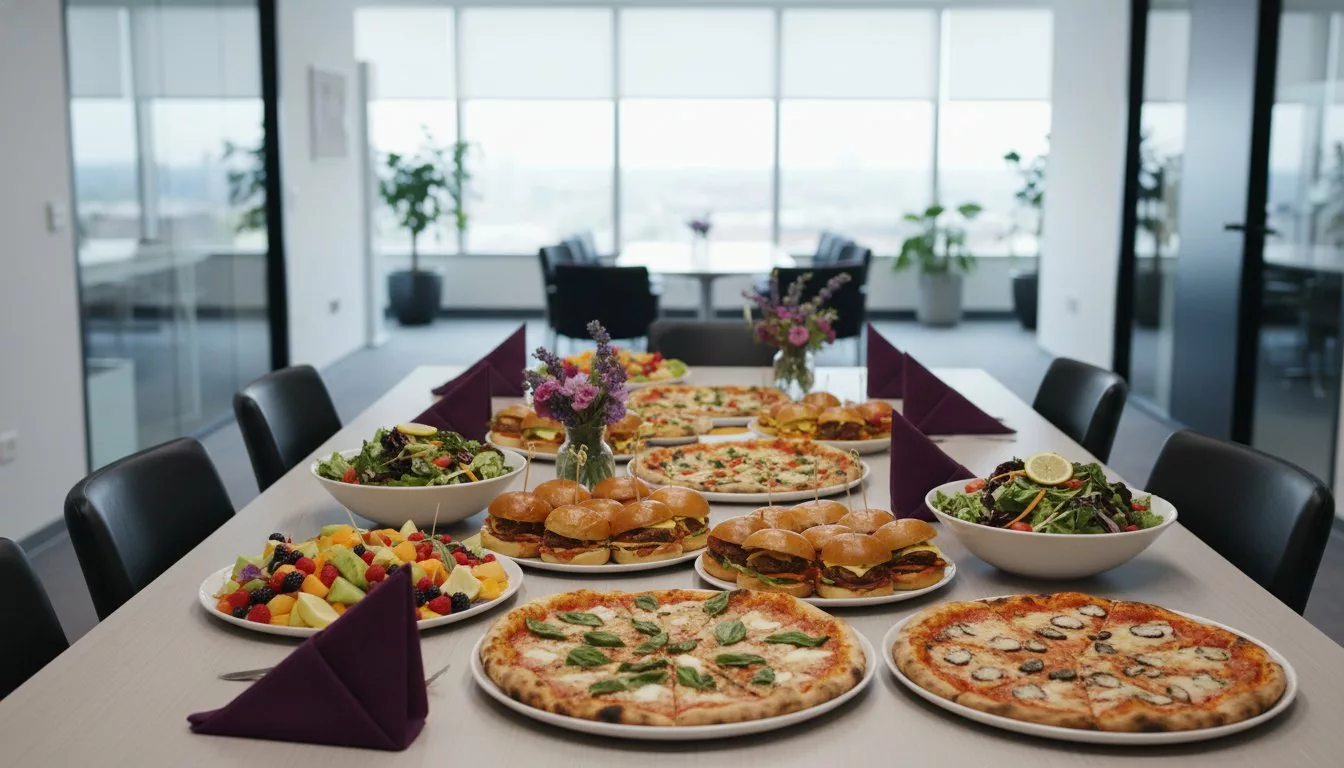
- Buffet Style: Perfect for encouraging interaction and offering a wide variety of choices. A buffet allows guests to customize their plates and serving sizes.
- Family-Style Platters: Placed on each table for sharing, this style fosters a collaborative and communal atmosphere, making it a great, cost-effective choice for team-building events.
- Food Stations: Interactive and engaging, food stations (like a build-your-own-taco-bar) are ideal for larger, more dynamic events where you want to create a lively, memorable experience.
Crowd-Pleasing Cuisine Ideas
To ensure everyone finds something they love, stick with familiar yet high-quality cuisines that offer customization. Consider these reliable options from trusted local restaurants:
- American Classics: You can’t go wrong with gourmet sandwiches, fresh salads, and wraps. They are easy to eat and universally appealing.
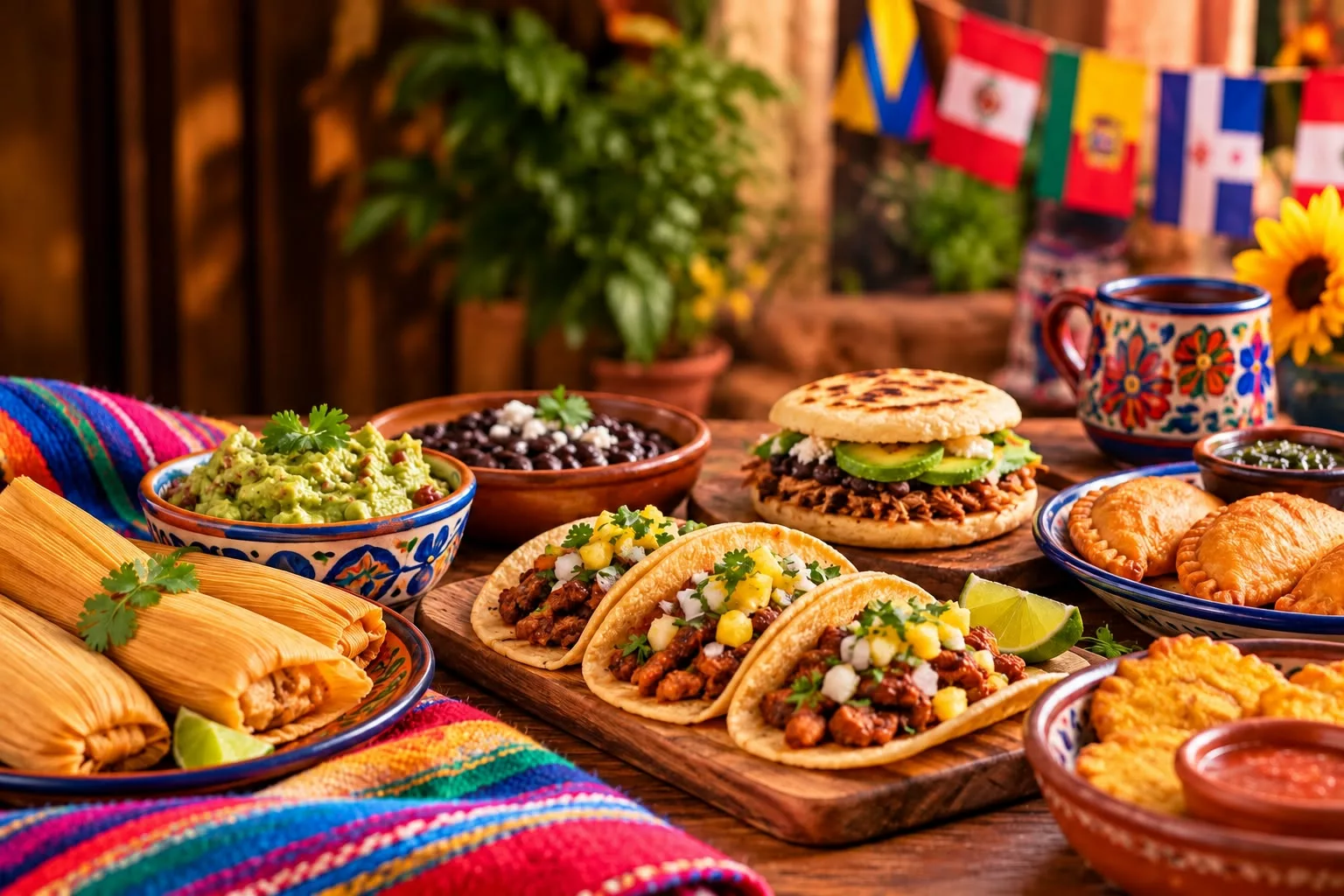
- Mexican: Taco bars and burrito bowls are interactive and easily accommodate various dietary preferences, including vegetarian and gluten-free.
- Mediterranean: A healthy, flavorful, and often light option. Think grilled chicken skewers, hummus platters, and fresh grain salads.
- Asian: Noodle bowls, stir-fries, and sushi platters are consistently popular and bring a welcome variety to the standard office lunch.
Foods to Avoid for Business Events
Just as important as what you serve is what you don’t serve. The last thing you want is for the food to get in the way of productivity or networking. For a seamless experience, steer clear of:
- Foods that are messy or require utensils, like saucy ribs, spaghetti, or large burgers.
- Extremely spicy, pungent, or overly adventurous dishes that may not appeal to all palates.
- Anything with a strong, lingering odor (e.g., certain types of fish or curries) that can overwhelm a conference room.
Ultimately, the best corporate catering menus feature delicious food that is easy to handle while standing, talking, or taking notes. Following this simple advice in our corporate catering guide will help you make a professional and thoughtful impression.
Step 3: The Modern Way to Order and Manage Logistics
In any effective corporate catering guide, mastering the logistics is just as important as choosing the menu. Gone are the days of juggling phone calls, paper menus, and complicated spreadsheets. Modern tools have transformed this once-stressful task into a streamlined, reliable process, handling the heavy lifting so you can focus on your event’s success.
Traditional Methods vs. Online Platforms
The old approach involved hours spent calling multiple restaurants, comparing inconsistent quotes, and hoping for the best. Today, centralized online platforms bring everything you need into one place. You can instantly browse curated local caterers, compare menus with transparent pricing, and read verified reviews from other businesses. This efficiency saves you valuable time on research and ensures you make a confident choice. See how easy ordering can be with Oncater.
Streamlining Orders, Payments, and Invoicing
A key benefit of modern catering solutions is centralized management. Instead of chasing multiple invoices and receipts, you get one clear, consolidated bill that simplifies expense reports and budget tracking immensely. This approach empowers you to:
- Manage all orders—for different departments or recurring meetings—from a single account.
- Reorder past favorites for your team with just a few clicks.
- Utilize secure online payment processing that protects company information.
- Eliminate administrative headaches with centralized invoicing.
Ensuring Reliable Delivery and Setup
Great food is only half the battle; it must arrive on time and be set up correctly. A dedicated catering platform acts as your logistics partner, coordinating directly with restaurants and delivery teams to ensure punctuality. You can track your order from the kitchen to your office door and provide specific setup instructions—like the floor, conference room name, and on-site contact—to prevent confusion. For complete peace of mind, you have access to 24/7 support if any issues arise, ensuring your event runs smoothly from start to finish.
Day-Of-Event Checklist for Flawless Execution
You’ve planned the menu and confirmed the details. Now, it’s time to deliver a memorable experience. A successful meal service comes down to day-of organization. This final section of our corporate catering guide provides an actionable checklist to ensure everything runs smoothly from delivery to cleanup, leaving you free to focus on your guests and objectives.
Stay organized and stress-free with these simple, time-tested steps.
Before the Food Arrives
A little preparation goes a long way. Before your caterer is scheduled to arrive, run through these quick steps to create a welcoming and efficient setup area:
- Confirm Logistics: Send a quick message to your catering contact to confirm the delivery time and exact drop-off location (e.g., “5th-floor kitchen, access via service elevator”).
- Prepare the Space: Clear the serving tables, set out plates, cutlery, and napkins, and ensure there is a clear path for the delivery team.
- Designate a Point Person: Assign one person to meet the driver. This prevents confusion and ensures the caterer knows who to talk to if questions arise.
- Plan for Temperature Control: Have a refrigerator or insulated bags ready for any cold items that arrive early, and know where hot items will be placed to maintain their temperature.
When the Delivery Arrives
Once the food is on-site, a quick but thorough check is crucial. This is your best opportunity to catch any issues before the meal service begins:
- Check the Order: Quickly cross-reference the delivery with your invoice. Ensure all dishes, drinks, and sides are accounted for.
- Verify Serving Supplies: Make sure you received all necessary serving utensils, like tongs, spoons, and ladles. Don’t let a missing serving spoon slow down the line!
- Confirm Dietary Meals: Check that all special meals (e.g., gluten-free, vegan) are present and clearly labeled to avoid any mix-ups.
- Direct the Setup: Guide the delivery team on where to set up the food. A logical flow—plates first, then mains, sides, and desserts—makes for a smooth guest experience.
After the Meal
The event isn’t over once the last plate is cleared. Finishing strong ensures a clean space and provides valuable insights for your next event.
- Manage Leftovers: Consolidate any remaining food and make to-go containers available for employees. This reduces waste and is always a popular perk.
- Coordinate Cleanup: Follow your building’s policies for trash and recycling. If the caterer is handling cleanup, confirm they have completed their tasks before they leave.
- Gather Feedback: Casually ask a few attendees what they thought of the food. This informal feedback is great for planning future orders.
- Leave a Review: Share your experience by leaving a review for the caterer. It helps them improve and assists other planners in making informed decisions. For even more support on your next event, the team at Oncater is always ready to help.
From Planning to Perfection: Your Catering Success Story Starts Here
Planning a successful corporate event doesn’t have to be overwhelming. As we’ve explored, the secret to success lies in meticulous foundational planning, choosing a menu that delights your guests, and having a solid day-of-event plan. This comprehensive corporate catering guide provides the roadmap you need to create memorable experiences that impress your team and clients, every single time.
When you’re ready to put that plan into action, let Oncater be your expert partner. Join over 200,000 satisfied customers who trust us for their most important events. With access to over 1,000 curated local restaurants and real, 24/7 support from catering specialists who help you plan every detail, we make the entire process simple and reliable.
Ready to make catering simple? Explore local caterers and order online with Oncater.
Go ahead and plan your next event with confidence. We’ve got your back.
Frequently Asked Questions About Corporate Catering
How much food should I order for a corporate event?
A reliable rule of thumb for lunch is one main entrée and two side dishes per person. For appetizers, plan on 3-5 pieces per person per hour. To avoid waste with buffets, consider ordering for about 90% of your expected headcount. This corporate catering guide tip helps manage costs and leftovers. If you’re unsure, our dedicated support team can help you calculate the perfect amount for any group size, ensuring everyone leaves satisfied.
How far in advance do I need to place a catering order?
For simple orders like boxed lunches or platters from a local restaurant, 24-48 hours’ notice is usually sufficient. For more complex hot buffets or events requiring special coordination, we recommend placing your order 1-2 weeks in advance. For large-scale conferences or holiday parties, booking 1-2 months ahead is ideal to secure your preferred caterer and menu. Planning ahead guarantees the best availability and a seamless experience for your event.
What are the most common mistakes to avoid when ordering corporate catering?
The most common oversight is forgetting to account for dietary restrictions like vegan, gluten-free, or common allergies. Always ask your attendees for their needs beforehand. Another mistake is failing to confirm delivery logistics, such as parking access and specific drop-off instructions. Finally, avoid menu fatigue by rotating options. A successful event considers every detail, from individual dietary needs to a smooth delivery process, ensuring a positive experience for all guests.
How do I best handle last-minute changes to my catering order?
The key to managing last-minute changes is immediate communication. Contact your catering provider or our 24/7 support team as soon as you know a change is needed. Increasing an order for a few extra guests is often easier to accommodate than a complete menu change. We are built for efficiency and will work with our local restaurant partners to find a fast, reliable solution and minimize any disruption to your event plan.
What is the difference between ordering from a restaurant and a dedicated caterer?
Restaurants are excellent for providing their standard menu items, making them a fast and delicious choice for smaller, more casual office meetings. A dedicated caterer specializes in event logistics, often providing staff, equipment rentals, and fully customized menus for larger or more formal events. Oncater gives you the best of both worlds by connecting you with a curated list of top local restaurants that are equipped and experienced in providing reliable corporate catering services.
How can I make my corporate catering more sustainable and eco-friendly?
Making your catering more sustainable is simple and effective. Start by choosing caterers that source local ingredients to reduce food miles. Opt for buffet-style service or platters over individually packaged meals to minimize plastic waste. You can also request reusable or compostable plates, cutlery, and napkins. Many of our catering partners are committed to sustainability and can help you plan a delicious, eco-conscious menu for your next corporate event.